Community Damian Light Community Damian Light

Cockle Bay long history of advocating for improvements continues

The Cockle Bay Residents and Ratepayers Association has existed since the 1930s, advocating for the needs of locals and to ensure it remains a beautiful place to live.

Nearly a hundred local residents came to listen, discuss and advocate for a better Cockle Bay.

Nearly a hundred local residents came to listen, discuss and advocate for a better Cockle Bay.

The Cockle Bay Residents and Ratepayers Association has existed since the 1930s, advocating for the needs of locals and to ensure it remains a beautiful place to live. 

At today's AGM, we heard about the work that they have been up to over the past year and it’s been another busy one. They’ve been working with concerned locals on the Sandspit Road development which has been a long and ongoing battle. The first hurdle to overcome was to get clarity on the definition of what an IRD (integrated residential development) meant and if it was intended to allow for more than just retirement homes. Together with a new consent application from the developer, the situation was still evolving and the Committee was working to understand the process going forward before seeking further public support.

They provided support to locals during lockdown and have been working to ensure the sustainable future of the cockles that give the area its name. They’re awaiting some scientific studies on the smaller species of shellfish. It was great to hear they’d submitted on the Emergency Budget, providing some practical suggestions for savings as well as alternatives to funding such as user pays. It was also pleasing to hear that they felt that there had been a cultural shift on the Howick Local Board with the engagement with the association significantly improving. While the Association had not been successful in their application to get the walkway between Cockle Bay Beach and Pah Rd upgraded, they were now working towards getting the bamboo cut back.

As Chair, Laurie Slee has done an amazing job of leading the organisation through some extremely complex issues while maintaining strong advocacy. He was once again reelected as Chairperson without opposition which is a reflection of the confidence locals have in his leadership. As treasurer, Grant Taylor has ensured the organisation has remained financially sustainable and was also reelected unopposed. 

Alan La Roche giving his talk on local history, filled with facts and laughs.

Alan La Roche giving his talk on local history, filled with facts and laughs.

Then local historian Alan La Roche gave a fantastic talk on the history of advocacy in the area, filled with humorous anecdotes. He noted that the residents association (then called Cockle Bay Residents and Improvement Association) was formed in the 1930s with the aim of getting changing sheds for swimmers, street lights and improved roads. At the time the area was largely bachs, but as this changed the association advocated for more, including connection to the Auckland water supply to (somewhat ironically) avoid droughts. In the 1960s, proper sewage connections were established which saw the end of septic tanks in exchange for a 30% rates rise. He recalled as a child swimming through sewage at Cockle Bay to get out into the clearer waters, which at the time didn’t seem like an issue. While attitudes have changed dramatically, Alan also mentioned that the planned development of Whitford Manor had been approved to discharge treated sewage into the Turanga estuary. Seems we still have a lot to learn from history and need strong local groups to advocate for our people and environment.

It was a great turnout this morning and together with the hard work the association has been doing, I’m confident that the locals of Cockle Bay are being well served by their association.

Read More
Damian Light Damian Light

Politics is harder than most people know

It's physically, emotionally and financially draining. Most candidates/politicians I've met, do it because they want to make a positive difference, they give it everything and it quickly becomes all consuming.

Politics is really hard, harder than most will know. It's physically, emotionally and financially draining. Most candidates/politicians I've met, do it because they want to make a positive difference, they give it everything and it quickly becomes all consuming.

You're under pressure from other politicians, the media and public. We want candidates who can respond to a wide range of topics yet be open to new ideas, we expect them to be open and honest as well as tough and resilient. Plus the pressure that we put on ourselves.

And that all comes with the job, running a city or country is hard work and the process to select the best should be robust. But too often it's about who has the most money, loudest voice or most attention grabbing stunt. You have to put up with armchair experts, abuse and worse.

This all takes a massive personal toll. Anyone who has been a candidate (or knows one well) well attest that it's impossible to do without strong support network, friends and whānau. I'm eternally grateful for my family, friends and volunteers who've helped me on countless campaigns.

But ultimately it's you up there, with your name, your face and your reputation on the line.

Politics can be really enjoyable. It's a challenge but can also be very rewarding. When I reflect on the opportunities I've had, the people I've meet and things I've learned through the years, it's worth it.

We need to hold our candidates/politicians to account, demand a high standard and encourage the best. But we also need to remember we're still talking about people. Passionate, dedicated & decent kiwis trying to make our world a little better.

Be critical but be constructive.

Read More
COVID19, Fair Share, Community Damian Light COVID19, Fair Share, Community Damian Light

Howick Local Board feedback on Emergency Budget

On Thursday evening last week I attended a special Howick Local Board meeting. Timed to allow the members to consider feedback from locals on the proposed Emergency Budget before it goes to council.


On Thursday evening last week I attended a special Howick Local Board meeting. Timed to allow the members to consider feedback from locals on the proposed Emergency Budget before it goes to council.

Some interesting insights into some of the 2,549 responses from the Howick Local Board area. 51% voted for a 2.5% increase, while 27% voted for a 3.5% increase. 65% voted in favour of the rates postponement scheme and 72% for the suspension of the targeted accommodation rate and it’s linked tourism projects. Some other themes that came out which I’d love to explore in more detail at some stage.

The Board responded with feedback not just to the main questions, but in quite a bit of detail which was good to see. I did live tweet the decisions but there were a lot to cover (took 3 hours) and I'd prefer to wait till the minutes were up. Here are a couple of highlights

  • only support 3.5% rates increase based on the impact that 2.5% would have on ability for council to deliver and with proviso's to limit asset sales;

  • only support reduction in Local Board Transport funding if Community Safety Fund is retained;

  • do no support the delay to Ormiston Community Centre and Library;

  • do not support deferrals in stormwater projects, especially where intended to address immediate risk to people or property;

  • asked for more meaningful engagement with Local Boards and Community on any further decisions especially asset sales, transport and changes to facilities.

While I didn't agree with every decision made, it was good to see some healthy debate and the detailed response. Faced with such a stark and messy proposal, it would be easy to respond in kind but I felt the Board was trying to be constructive and realistic.

This was most obvious when responding to the proposal to sell an additional $200m in assets - the Board noted concerns that the timing would mean council was unlikely to maximise its return and that the Board needed more information to make informed decisions. Where the Board had already worked with Panuku, they could actively challenge the sale or in a few cases, support the sale.

It will be interesting to see what other local boards have said, I suspect there will be some common themes. Ultimately this is a decision by the Governing Body of Auckland Council which is made up of the Mayor and 20 Councillors (2 for Howick). Auckland Council is reviewing the feedback and making their decision on Thursday 16th July. I'll be there and will report back.

Read More
Damian Light Damian Light

Government investment in water infrastructure looks promising

I'm genuinely impressed that the proposal looks to be following a reasonable consultation and engagement process! I'm often critical of governments top down approach but this looks remarkably good.
Amongst all the political intrigue and chaos this week, you may have missed the Government's announcement on investing in water infrastructure.

They've announced $761m to help local councils get on top of the water infrastructure shortfalls. This is the first part in a series of funding rounds that will become linked to improved standards. There may also be some structural changes, with a more regional approach to water but the details on this are yet to be worked out.

I'm genuinely impressed that the proposal looks to be following a reasonable consultation and engagement process! I'm often critical of governments top down approach but this looks remarkably good.

“We welcome the Government’s inclusive and voluntary approach taken with the Three Waters Reform Programme, because it recognises that water is part of New Zealand’s broader infrastructure, planning and governance system,” said LGNZ President Dave Cull.

Much of our water infrastructure has been overlooked, literally buried underground out of sight and too often out of mind. This approach appears to recognise the importance of investment and the need for a bigger picture without trampling over local government.

It's also good to see this will consider more than just scale, as this isn't the whole answer to the challenges. Absolutely it's difficult for smaller councils, but even the behemoth that is Auckland hasn't gotten it right.

Read More
COVID19, Fair Share Damian Light COVID19, Fair Share Damian Light

Submission on Auckland Council Emergency Budget

This is my submission on the Auckland Council Emergency Budget.

The proposed budget is really disappointing. It lacks vision, is extremely short sighted and consultation has been poor.

This is my submission on the Auckland Council Emergency Budget.

General rates increase for 2020/2021

3.5 per cent average general rates increase

While I do not support endless rises in rates, we cannot afford to be cutting mores services or investment. The proposed cuts as a result of a 2.5% increase mean even more drastic cuts that we cannot afford.

Rates postponement for ratepayers impacted by COVID-19

I support the proposal

COVID19 has hit households very differently and some will definitely need support. For those ratepayers that do take this up, consideration should be given to a progressive payment plan so they are not hit with 2 years worth of rates in a year. Also the impact of COVID19 will reach beyond the next 12 months so this may need further extension.

Suspending the targeted rate paid by accommodation providers

I support the proposal

With international tourism suspended, it's absolutely sensible to suspend this and the projects it was meant to fund.

Other feedback - what is important to you? (limited to 4000 characters)

The proposed budget is really disappointing. It lacks vision, is extremely short sighted and consultation has been poor.

I appreciate it was written with urgency, but the gaps highlight the need for better disciplines within council. Projects have been cancelled or delayed because council has been too slow to get them underway, while less important work continues. Many programmes cut will have a greater impact than just economic, especially climate change actions, infrastructure and environmental management. 

I strongly disagree with cuts to;

  • public transport, which will lead to more congestion, more emissions and less mobility for many who rely on these services;

  • transport safety initiatives and "compromised" Community Safety Fund which will lead to more deaths and injuries;

  • 80-90% renewals for buildings, playgrounds and open spaces, many already in a dreadful state;

  • preventative Watercare maintenance, which will lead to more flooding and waterway contamination;

  • biodiversity programmes like pest eradication, Kauri Dieback and grants;

  • Climate Change and Emission reduction programmes like electric buses and response fund;

  • Local Board discretionary spending which will hurt communities.

I disagree with selling massive amounts of assets, especially during an economic downturn when values are lower. This looks like a thinly veiled attempt to sell assets in a fire sale, using the economic crisis as a weak excuse. Panuku Development Auckland largely operates outside of public view which must change - every decision to consider an asset for sale must be done with robust consultation and informed choice, including Local Boards.

I'm deeply disappointed in the consultation process. While the documents do a decent job of laying out the challenges, they don’t fully explain the options or cuts. There are critical details buried in the supporting document, which is difficult to read and not aligned. It has been extremely difficult to get answers to basic questions, often to clarify information that should already be available. For example vague statements around reduced funds for the Eastern Busway seemed to suggest there would be a delay or reduction in scope. I asked the Mayor, Councillors, staff on the webinar and the Local Board before I got an answer from AT. A simple explanation would have explained that this was a good news story, with Council committed to a critical project.

The world has changed dramatically, but this consultation followed the same old thinking. There was very little attempt to engage in other ways, especially given the history of poor diversity in council consultation. Burying details in a PDF isn't engaging or accessible. Community webinars weren’t well advertised, answered few questions and inexplicably required registration two days prior. These should have been opportunities for discussion, but they were largely one way and ended early. I didn't get answers to questions until 10 days later, 2 days before feedback closed.

While it's good to see efficiency and improvement projects, it's too little too late. These should’ve started years ago, with serious focus on delivering value and reducing waste, instead we’ve lost a decade. Organisations should always look to improve, but a health and economic crisis isn’t a great time to start.

With estimates putting the gap for local government at $1.5b, Auckland Council is not alone but there is only a small mention of government engagement and support. One of the promises of the supercity was a stronger relationship with government, we haven't seen it.

The economic future is unknown and the budget must be reviewed throughout the year and if funding increases, we must revisit cut programmes and reinstate them as possible. There should be a prioritised plan of projects that can be kick-started immediately if funding is available from revenue or government.

Auckland is a fantastic place to live, we can and must do better than this budget.

Read More
COVID19, Fair Share Damian Light COVID19, Fair Share Damian Light

What Auckland Council's proposed Emergency Budget means for East Auckland

I’m deeply concerned about the cuts to safety programmes, environmental management and public transport which will all cost more than just money. The missing information on the Eastern Busway, Community Safety Fund and Ormiston Town Centre make it difficult to fully understand the impact.
I’ve previously noted that the proposed Emergency Budget for Auckland is drastic. And given the current and looming economic outlook, it needs to be. While there are plenty of people claiming to have crystal balls, the reality is that there is a significant uncertainty about the economic future.

Therefore Auckland Council has decided to use what they believe is the most likely scenario and is expecting a massive drop in revenue ($525m) which means they’ve had to recut the budget. Most of the missing revenue isn’t from rates ($65m), but from other revenue sources such as Ports of Auckland ($65m) and Auckland Airport ($60m) as well as less transport ($120m), less building ($70m) and reduced recreation ($80m).

Balancing the budget - less revenue means more debt

Hopefully these will only be short-term reductions but unlike the government, which can just continue to borrow, Council is required by law to attempt to balance the budget. Council is increasing it’s borrowing to the maximum, while in theory focusing investment on which will have the greatest economic stimulus and recovery. In the short term, debt will grow to 290% for one year (breaking their banking covenant) before dropping down to 270%. Council has said that because it’s short term with a planned return to below the maximum, the banks are willing to accept it.

But even with record borrowing, there just isn’t the revenue to maintain the capital investment or operating expenditure so there are cuts to both. The Mayor had proposed a 3.5% average rates increase but given the need to review the budget, Council has also considered what an average increase of 2.5% would look like.

rates.PNG

Less than 2.5% would mean no capital programme unless the project was already underway as well as many $100m more in reduced services. The short fall would mean a greater potential impact on credit ratings which can mean worse interest rates and restricted borrowing potential in future. 

So all three options means cutting services and projects, some more critical than others. Some have suggested we solve this by cutting the pay of the executive, but half the staff would need to go to cover $525m which would reduce services well below the proposed cuts. And there are cuts - 868 staff have already taken a voluntary salary pay cut, including 32 under the $100k threshold.

What this means for East Auckland and beyond

The consultation document doesn’t do a bad job of laying out the challenges, but there’s a lot of details missing, buried deep in the details (including a 113 page supporting document). I’ve been working through it all, noting the city wide impacts and anything specific for East Auckland. I’ve used the same categories as the consultation document, although there is some crossover (especially in the environmental space). I have not captured everything and I strongly recommend that you take a look at the consultation document.

Transport

2020-06 Emergency Budget Transport.PNG

While not consulting on a 0% increase, the document notes that that would mean reduced road and footpath maintenance standards for a year, with potential risks to safety and whole of life costs. Maintenance activities such as fixing pot-holes, repairing cracked surfaces and repairs of road side furniture would be delayed until they are deemed to be critical.

Last night I finally got an sensible answer to the Eastern Busway funding - there has been a delay to purchasing of properties for the Pakuranga to Botany stage which will save money now and be funded in the near future. This won’t delay the delivery of the project or any of the stages which is good - this should’ve been laid out in the document and avoided a lot of headaches. 

The details on the Community Safety Fund are lacking - this was once the flagship safety programme for Auckland. We don’t know what this means for Botany Downs Secondary College or Te Uho o te Nikau Primary School which were both meant to get safety improvements for students funded through this programme.

The cuts to transport are particularly painful when the Howick ward has historically under spent it’s allocation - for years we missed opportunities to address safety and congestion. Most of that funding will now be gone or under tighter restrictions while we’re left with those same issues.

Water, wastewater and stormwater

2020-06 Emergency Budget Water.PNG

Given the current drought and water shortages, it’s good to see that there are no major cuts here. Although concerning to see reduction in preventative maintenance and capital programmes - if anything we need more, not less focus in this area.

Parks and Community

2020-06 Emergency Budget Parks.PNG

Some pretty big assumptions in here about drop off in people wanting to attend events, which I don’t think will hold out. Many of our parks and community assets are already in a dreadful state and further deferrals will not help. But selling off assets for short term gains needs to be done very carefully.

I’ve questioned the spend on the America’s Cup especially given that the economic payoff is break even, but I suspect we’re locked into contracts already.

City Centre and Local Development

2020-06 Emergency Budget Centres.PNG

Panuku largely runs outside of the public’s view so I doubt many will notice the cuts. We really need to know what is happening with Ormiston but Council has not responded to queries.

Economic and Cultural Development

2020-06 Emergency Budget Economic.PNG

Zero percent would mean further cuts would be made to economic development activities and Council say “this would put economic recovery of the region at risk”.

Some reasonable cuts here, again based on assumption that there will be less demand. I know ATEED has a mixed past, but ensuring our economy recovery is quick and steady will need resourcing. Much stronger oversight needed to ensure we’re getting a good return on this.

Environmental management and regulation

2020-06 Emergency Budget Environmental.PNG

Zero percent would mean delaying the climate change initiatives proposed in the first round of consultation and not resuming inorganic collection services leading to increased illegal dumping.

It’s great to see investment into automation and process improvement, although it shouldn't take an economic crisis to get underway. Auckland Council has never excelled at ensuring compliance to regulations and I’m concerned that we’ll see more issues with damage to our waterways and environment.

Council Support

2020-06 Emergency Budget Support.PNG

I suspect there are a lot more efficiencies that can be gained here, although some are structural which can’t be addressed without dealing with the CCOs. Some of that will mean convincing parliament to pass legislation, which they haven’t shown any interest in.

So what does this mean for rates?

Council has just signed a new contract for the collection of refuse in the former Auckland City Council and Manukau City Council areas. The cost of the new contract has risen so the refuse rate will also be increasing. For context other parts of the city pay for their refuse collection with $3.95 bin tags each time they put their rubbish out.

2020-06 Emergency Budget Rates.PNG

Rates postponement scheme

Auckland Council is proposing a rates postponement scheme, which will be open to

  • residential and lifestyle ratepayers with a mortgage

  • financially stressed business and farm ratepayers. 85% of businesses.

  • Not-for-profit applications for residential property will not be required to have a mortgage

If you’re eligible, you’re able to postpone the first $20k (GST incl) of rates and carry forward up to $5k (GST incl) of any rates Q4. Applications can be made up until 31 December 2020 to allow time to fully understand situation.

In summary - a crisis budget

The proposed budget is drastic, cutting a lot of short term capital and operational expenditure. It’s tempting to suggest that this will mean less waste at council, but that wasn’t the focus of the proposal. There are some efficiency programmes planned which is great, but improvements should have been started years ago, not waited for a crisis.

I’m deeply concerned about the cuts to safety programmes, environmental management and public transport which will all have an impact beyond just money. I worry about our parks and community centres, already in a sorry state and further starved of funds they will become liabilities.

The missing information on the Community Safety Fund and Ormiston Town Centre make it difficult to fully understand the impact. I asked about these over a week ago and four days from when feedback closes I still don’t have an answer.

Driven by a looming economic crisis, quick decisions need to be made. But as we better understand the situation, we must reconsider investment. We must also take this as an opportunity to reflect on what we haven’t done when times were better - had we focused on park renewals, investment in transport and improving efficiencies we wouldn’t be so short today.

This budget is more than just a reflection of the economic realities, it’s also a portrait of a council that lacks discipline and robust governance. The public is being asked to respond to incomplete information, with cuts to what can be cut (rather than what should) and an ever growing backlog of under investment in infrastructure.

Feedback is open until midnight on Friday 19 June 2020.

https://www.aucklandcouncil.govt.nz/have-your-say/topics-you-can-have-your-say-on/emergency-budget/

Read More
COVID19, Fair Share Damian Light COVID19, Fair Share Damian Light

Auckland Council's proposed emergency budget is drastic

With everything that has been happening, we've become accustomed to drastic action in the face of a crisis. But even still, the proposed Auckland Council emergency budget is still a shock.
With everything that has been happening, we've become accustomed to drastic action in the face of a crisis. But even still, the proposed Auckland Council emergency budget is still a shock.

"Cutting road safety projects like fixing high risk intersections and pedestrian crossings. Stalling a much-heralded conversion to electric buses - a totem of the council's climate change commitments. Selling $200m in public land and assets. Putting off the city-wide revaluation of all properties."

Tim Murphy: Auckland’s budget cuts: a half billion too far - Newsroom

I have no doubt that some will proclaim this as a victory, as if this is just council forced to reduce spending to focus on core services. But this isn't how you improve cost effectiveness, reduce bureaucracy or focus on core services. I've worked in business improvement for over a decade and positive change comes through sustained focus, good disciplines and innovative thinking. This isn't that - it's an emergency response to a crisis, survival mode.

It's also true that businesses are being forced to make tough decisions - as the person who led the development of our new business plan at work, I know this well. But while there are areas where council could be more business-like, it's not a business. The impact of this budget will be felt for sometime, especially with cuts to environmental management and regulation (which has never been a strength for Auckland Council).

We’re being asked to consider the option of a 3.5% or 2.5% rate increase which is about $1.82 or $1.35 per week extra. We're paying more but will still see significant cuts into the operating and capital budgets over the next year to account for the massive drop in revenue. While Auckland Council has worked to leverage alternative incomes, there are limited options and those have been hit hard. I sympathise with the staff and councillors who have had to make some tough calls and still had to ask for an increase to rates. We cannot continue to rely on endless rates rises, but the blame lies with central government who have ignored those of us calling for local government funding reform.

Government has allocated themselves billions for economic recovery and a decent proportion of this should go towards local government. While Auckland is budgeting to be down $525m in revenue, estimates put the total nationwide gap for all councils at around $1b. A terrifying number for local government but less so for central government. Compared to the countries in the OECD, New Zealand ranks among the lowest in terms of the proportion of local government revenue that comes from grants and subsidies given by central governments.

It’s an election year and with UnitedFuture no longer around to champion localism, I’m hoping that the other parties pick up on the urgent need for local government funding reform. In the meantime, Aucklanders need to make sure their voice is heard by council.

We have until June 19 to respond online at akhaveyoursay.nz/emergency-budget, by phoning 09 301 0101 or visiting a council service centre or library.

I’m hoping to finish reading through all the materials this weekend and will post more details on the specific impacts on East Auckland.

Read More
Transport Damian Light Transport Damian Light

Eastern Busway cannot come soon enough

In a piece in the NZ Herald, Christopher Luxon and Simeon Brown have both called for the Eastern Busway to be built faster. It's great to see the support for this critical transport infrastructure project for East Auckland.
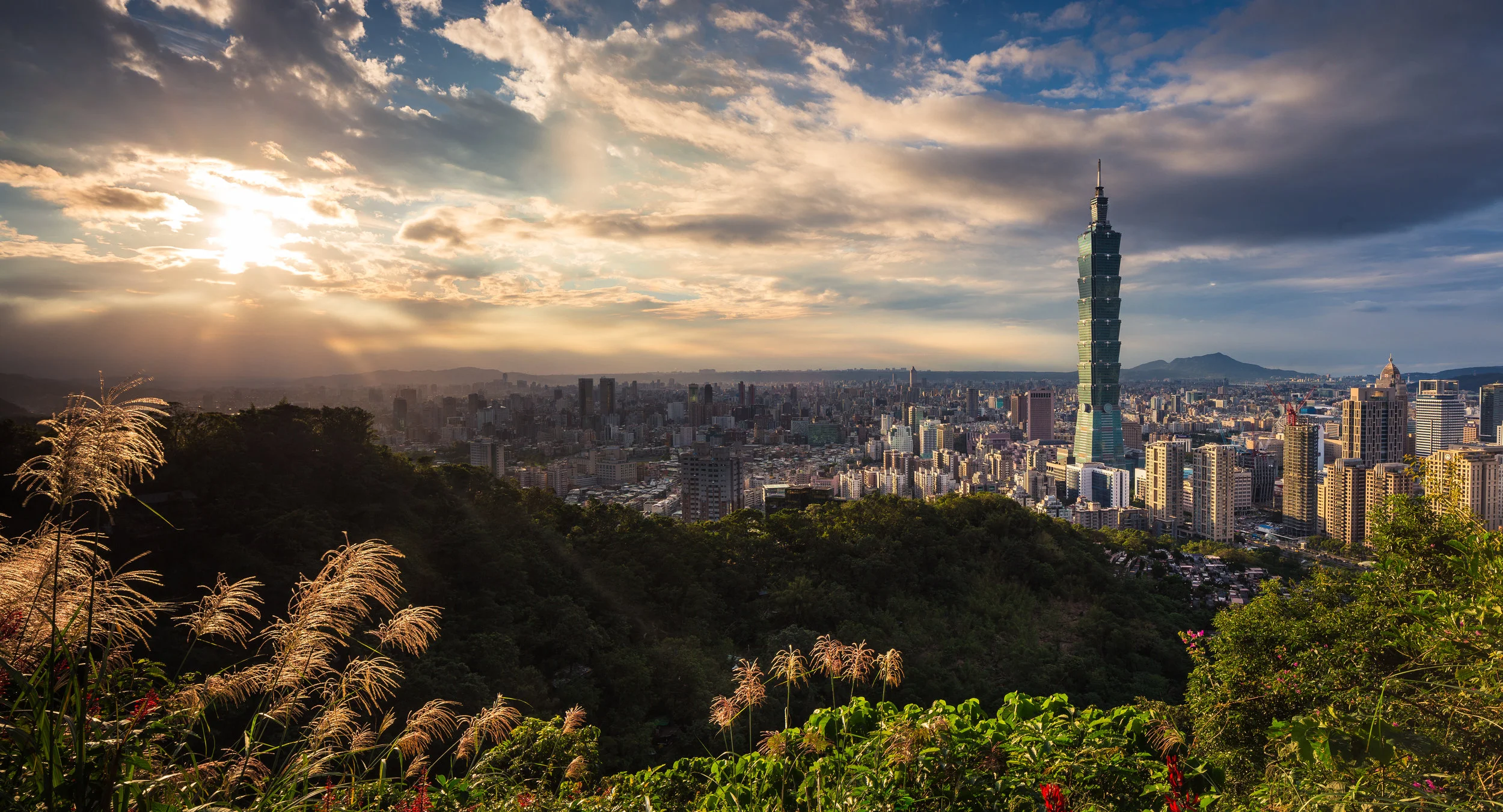
As we work hard to recover economically from the Covid-19 pandemic and lockdown, the Eastern Busway presents an exciting opportunity. If the Government and AT give this "shovel-ready" fully-funded infrastructure project the very highest priority it will create desperately needed jobs and local investment. If more money is needed to deliver the project faster or to current specifications, that should be considered.

- Christopher Luxon (National candidate for Botany) & Simeon Brown (MP for Pakuranga)

In a piece in the NZ Herald, Christopher Luxon and Simeon Brown have both called for the Eastern Busway to be built faster. It's great to see the support for this critical transport infrastructure project for East Auckland.

I've long argued that this has taken too long and needs to be accelerated (part of my campaigns in 2017, 2018 and 2019). We need it yesterday to cope with the massive growth we continue to see in the area. While we also need road improvements, congestion free transport like busways allow for larger volumes of people and also support walking and cycling. They also free up the road for those who can't use public transport, making it a win for all.

Another reason to get this project done is we need to move onto other transport projects, with better connections through to Howick, Bucklands Beach, Cockle Bay and beyond. The sooner we can get the Eastern Busway done the better!

Great to see support coming from local MP and candidates.

Read More
COVID19 Damian Light COVID19 Damian Light

Taiwan's membership in the WHO shouldn't be a political decision

I don’t often agree with Winston Peter’s but on Taiwan joining the World Health Organisation (WHO) I agree. In the same way that China doesn't get to decide what Taiwan does, they don't get to decide what New Zealand does either.

“We have got to stand up for ourselves,” Winston Peters, New Zealand’s foreign minister, said at a news conference when asked about China’s response to New Zealand’s position on Taiwan. “And true friendship is based on equality. It’s based on the ability in this friendship to nevertheless disagree.”

I don’t often agree with Winston Peter’s but on Taiwan joining the World Health Organisation (WHO) I agree. In the same way that China doesn't get to decide what Taiwan does, they don't get to decide what New Zealand does either.

I know the relationship between China and Taiwan is complicated and full of historical challenges. I also know that we have a unique relationship with Taiwan (Republic of China) with our free trade deal. They're our 8th largest export market and our 16th largest import market. We share a number of similarities and we also have many things to teach each other.

Recovering from a global pandemic and the economic impact isn't something we can do alone. If COVID-19 has taught us anything, it should be that collective action is one of the most powerful actions to a crisis. A global collective action is needed to respond to this crisis and the climate change crisis. Allowing nations to be part of that conversation is the starting point and the World Health Organisation is where those conversations happen. Blocking nations for petty political reasons will not save lives nor will it help economies or save the environment.

We like to talk about being an independent nation that punches above it's weight, it's time we stood up and acted like one.

Read More
Damian Light Damian Light

Opportunity for an informed choice on cannabis reform

This year, NZ voters will be asked for their vote on two referendums, including one on the legalisation of cannabis.

The government has provided a summary of proposed regulations so we can make an informed decision

This year, NZ voters will be asked for their vote on two referendums, including one on the legalisation of cannabis.

The government has provided a summary of proposed regulations so we can make an informed decision - https://www.referendums.govt.nz/cannabis/index.html.

From first read, it's good.

New Zealand is fortunate to be in a position to learn from others experiences. From what I'm reading, it seems we've adapted the good and avoided the bad to create a regulatory framework that fits our needs.

Some highlights:

  1. It's focused on harm reduction and takes a health approach, which is fantastic.

  2. It's taking a sensible approach to age limits and personal use. Age restriction addresses concerns about impacts on younger people and home grow reduces black market and corporates from dominating.

  3. It's balanced to prevent too much corporate control. Regulations allow for licensed retailers and producers, but there are limits to prevent issues seen overseas with large profit driven companies flooding the market, causing massive social harm like we've seen with tobacco and alcohol. Potency limits, product approvals will help.

  4. It’s going to collect revenue and fund better outcomes. Taxes and levies will apply, to help control the market and pay for education and treatments - our addiction services are dreadfully underfunded. Applying this based on the potency is sensible and discourages overly potent products.

  5. It has good oversight. Inclusions like the Regulatory Authority and Advisory Committee are good, especially with the inclusion of iwi, health, justice and social sectors. For too long alcohol and tobacco were allowed to ravage communities and caused massive social harm, seems we've learned.

After my first read through, my major issue is not the proposed regulation - but how it may (or may not) happen. Firstly, the referendum has to pass (which isn't a given). Then the next government can choose to implement the regulations, or not. This should have been a binding referendum, with the bill passed waiting to be enacted if the public agreed. This is how the End of Life bill has been managed and it's a better option. I appreciate that this is the political reality of the coalition government, but it's still a shame.

I'm looking forward to seeing the thoughts of others on the proposed regulations before making my final decision, but based on what I've seen here, I'll be voting in favour of legislation (through regulation).

Read More
Community, COVID19, Transport Damian Light Community, COVID19, Transport Damian Light

Howick Local Board goes online to approve transport investment

The Howick Local Board for April was held online but not open to the public. I normally attend these and it was a shame to not be able to attend this, but I understand that changes are necessary in these challenging times.
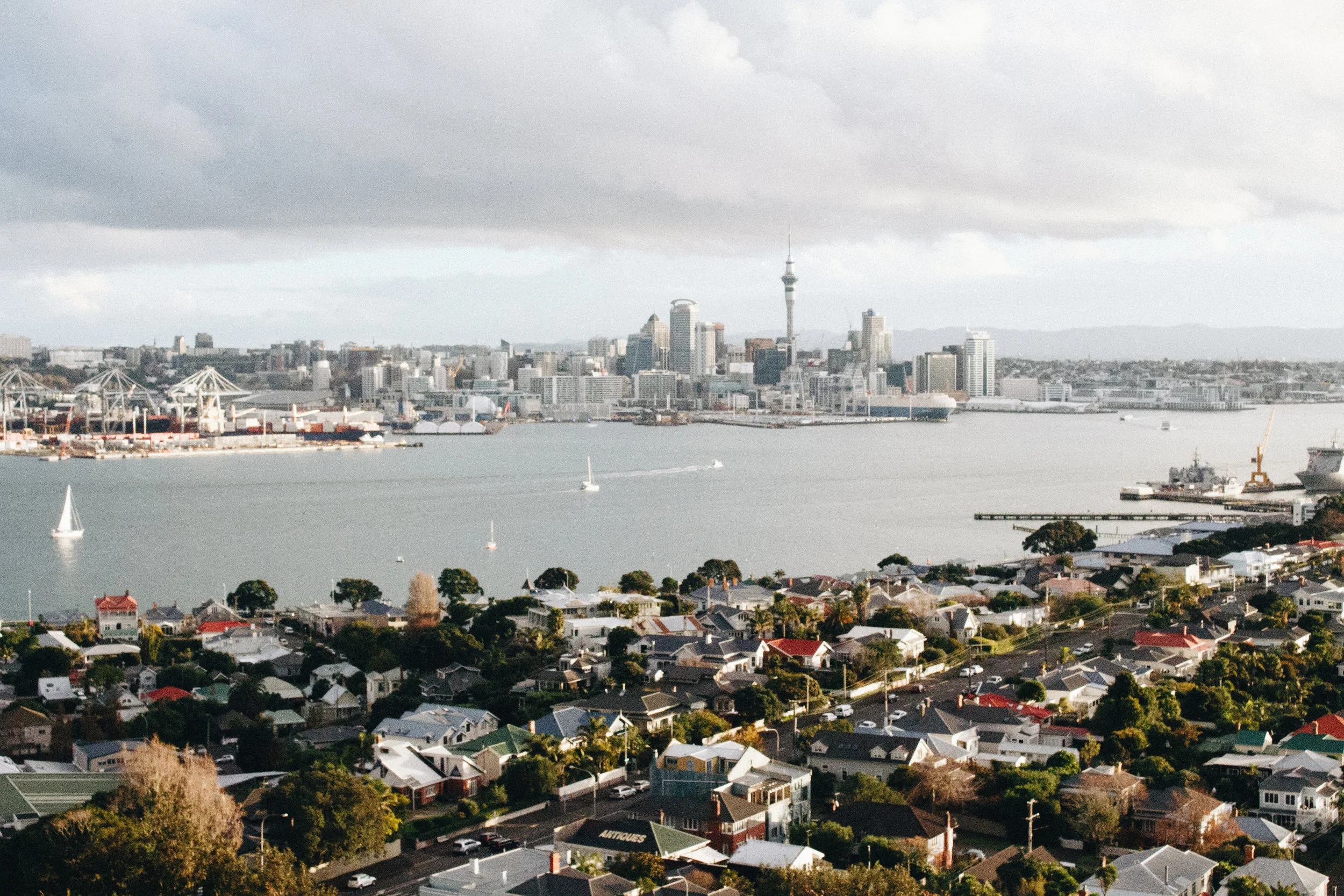
The Howick Local Board for April was held online but not open to the public. I normally attend these and it was a shame to not be able to attend this, but I understand that changes are necessary in these challenging times.

As expected when we move to a new way of working, there were a few teething problems but nothing significant. Full credit to the Chair, Board and Council team for making this work.

The big item on the agenda was to allocate the Local Board Transport Capital Fund (LBTCF) which is a discretionary fund that each local board gets to to spend on transport projects they see as a priority. This is in addition to the other Auckland Transport spending. There was minor changes to the proposed wording, but the result is effectively the same.

This means the Board has:

  • asked for options of up to $3m for better pedestrian safety around Bucklands Beach;

  • asked for options for speed indicator variable message signs (VMS) on Point View Dr;

  • asked for options for an information plinth at Half Moon Bay, and other locations;

  • asked for options for better walking route between the Half Moon Bay Ferry Terminal and coastal walkway in front of the Bucklands Beach Yacht Club;

  • allocated up to $4m for the Howick Walking and Cycling Plan;

  • reserved $3m for projects from the Steering Group on the Howick Village Centre Plan.

Historically the fund has been under spent, which has been disappointing consider the huge transport challenges we have in East Auckland. As they say, the devil is in the detail and there is a bit to work out, especially for the Bucklands Beach work, but it's great to see these progress.

The Auckland Council website is hosting a video recording of the session (23 minutes) if you're interested. And the minutes are also available (although these only record the outcomes, not the discussion).

Read More
Fair Share, COVID19 Damian Light Fair Share, COVID19 Damian Light

COVID19 calls for new approach to Council budget and rates

COVID19 has required an unprecedented response at all levels of government and local council is not immune. As the health and economic impacts of the pandemic are beginning be understood, it's clear that we need to rethink our short term plans.

COVID19 has required an unprecedented response at all levels of government and local council is not immune. As the health and economic impacts of the pandemic are beginning be understood, it's clear that we need to rethink our short term plans.

Despite significant support from the government, many households will find themselves struggling and it's entirely appropriate that council reconsiders it's budget. This week Councillors had a very long and detailed discussion about priorities for Council.

“Auckland Council will consult with the public on a rate increase of 2.5 or 3.5 per cent. For the average ratepayer, a 2.5 per cent increase would be equivalent to an extra $1.35 per week, while a 3.5 per cent increase would be $1.83 per week."

The Accommodation Provider Targeted Rate (aka Hotel Tax) is being suspended while there is no tourism and all ratepayers experiencing financial hardship will have chance to to defer payment of their fourth quarter rates installments.

Council will also do work to understand what a zero percent increase would mean for services. All of this will go out for public consultation. See the financial report here.

On top this, the chief executives of Auckland Council and its five council-controlled organisations will take a pay cut of 20 per cent for the next six months. Board chairs, directors and senior executives have volunteered pay cuts. See the announcement here.

The Mayor and many Councillors have also volunteered to donate a portion of their salary to charity (there isn't a method to reduce their pay).

Read More
COVID19, Transport, Fair Share Damian Light COVID19, Transport, Fair Share Damian Light

Auckland Airport shortchanges Auckland ratepayers

Thanks to the poor actions of Auckland Airport, Auckland Council "lost an immediate $18 million in the value of its shareholding last week, and had missed a $70m gain".

Thanks to the poor actions of Auckland Airport, Auckland Council "lost an immediate $18 million in the value of its shareholding last week, and had missed a $70m gain".

Auckland Council holds the largest share of the Auckland International Airport but these have been diluted as a result of this sudden decision. This is on the top of a drop in value in shares as the airport struggles with the lack of flights.

I can appreciate that businesses need to make quick steps in this unprecedented time, but to not include your largest and longest investor in these is extremely poor.

As a result of Councillor Chris Darby's quick actions, Auckland Council will be looking into how they can improve oversight into a significant investment, hopefully preventing a repeat. Strangely, five councillors voted against this - seemingly happy with the lack of oversight and resulting loss for ratepayers.

Read More
COVID19 Damian Light COVID19 Damian Light

Staying safe, saying home

As we pass the two week mark of the COVID19 lockdown, I thought I’d give a quick update on what I’ve been up to. The short version - working.

As we pass the two week mark of the COVID19 lockdown, I thought I’d give a quick update on what I’ve been up to. The short version - working.

I’m very fortunate to be employed at a company that has been deemed an essential service (under legislation and through registration with MPI). We provide food safety and assurance services to the primary industries and our team is working hard to support these critical industries. I take pride in working for an organisation that’s ensuring that the food we eat is safe, well produced and in good supply.

I’m on our Business Continuity team at work, made up of the CEO and full Executive team along with key representatives from across the business. We’ve been meeting for months and our plans were well advanced before they had to be enacted. This work is a natural fit with my work as the board secretary (writing papers, minutes and chasing actions) and in business improvement. Plenty of new challenges and opportunities as the situation evolves. This has been keeping me very busy, everyday and some weekends. As we start to settle into the new normal, the workload is settling down too into a new regular pattern.

Like many kiwis, I’ve been working from home for the past few weeks. It might be weird for an Aucklander to say, but I miss my daily commute. The time on public transport and the walk was a nice separation from work, and good for my physical and mental health. Too easy to take work home, when work is literally at home. But we adjust and adapt. I’m fortunate to have a small home office (previously used for my campaigns) where I can base myself and create a little separation but it’s still been a big adjustment. We’ve gotten used to remote working, to sharing and collaboration through technology. 

We had a family video conference on Sunday, which was equal parts chaos and wonderful. I haven’t seen my whānau for a few weeks and it was great to spend some time together (even if it was through a screen). My five siblings, their families and our parents made for a rowdy time - just like real meetups! Outside of this we’re keeping in close contact, with our WhatsApp group busy with updates and a healthy dose of memes.

I’ve ventured out to the supermarket when necessary and want to make special thank you to the front line workers who are operating under some very difficult circumstances. As someone who works alongside essential workers, I have some idea of the additional stresses that this lockdown is placing on them and their families. Friends of mine have a daughter working at a supermarket and she wrote a good piece for the RNZ - check it out if you want a honest insight.

Otherwise I’ve been staying at home, following the rules and trying to avoid the panic. With work keeping me busy, I haven’t had too much time to stress the little issues or get distracted with the absurd political tribalism that is definitely alive and well. It will definitely be an interesting election come September (one I’m glad to be sitting out).

I hope everyone is keeping well, listening to the official advice and staying safe.

From my bubble to yours, take care!

Read More
COVID19 Damian Light COVID19 Damian Light

Don't be like David, stay home.

I've said it before, David Clark is one of the weakest ministers in this cabinet (which is saying a lot considering who some of his colleagues are).

I've said it before, David Clark is one of the weakest ministers in this cabinet (which is saying a lot considering who some of his colleagues are).

Even before the pandemic, I could not understand how he ended up with such a vital portfolio of Health Minister. Especially given how vocal Labour was about health during the last election.

He's offered to resign but only been demoted. He stays on as Health Minister until this crisis is over. Some have argued that these breaches are minor, but he's the Health Minister in a public health emergency. Scotland’s chief medical officer resigned for travelling to her second home. Clark's behaviour is much worse.

He should be a role model, not a rule breaker.

Don't be like David. Stay home, stay safe.

Read More
Community Damian Light Community Damian Light

Local Irra Lee gets hands-on experience communicating the work of Parliament

Local Irra Lee has spent a few months working in Parliament, gaining some really good insights into how it really works.

Local Irra Lee has spent a few months working in Parliament, gaining some really good insights into how it really works. In her words:

“Opportunities like this become really valuable in providing students fresh out of university with real-world experience, seeing how things are run. It’s important for all journalists to understand the two sides of the coin [journalism and public relations] and see how they work, as they all contribute to what comes out to the public,”

“I also learnt a lot here from the perspective of a member of the public, about Parliament and how it’s run. So it was a valuable experience from both a professional and personal point of view.”

Check out the full story on the NZ Parliament website.

I know Irra through her work with the Howick Youth Council and she's fantastic. Always so positive and professional, normally she's the one taking the photos and writing the story, nice to see this about her experiences in Parliament.

Well done Irra, keep up the great work!

Read More
Transport Damian Light Transport Damian Light

Government fails to deliver on infrastructure

For generations NZ has under invested in infrastructure and, while today's announcement is welcome, it's not enough to address the gaps, let alone take us forward.

For generations NZ has under invested in infrastructure and, while today's announcement is welcome, it's not enough to address the gaps, let alone take us forward.

Newsroom - Why $12b isn’t enough to fill this infrastructure chasm

$12B sounds like a lot, especially with $6.8B going to transport in Auckland. But to put that in perspective, Auckland is currently investing $27B into transport and it's still not enough.

Auckland could swallow $12B and still need more. And our regions still need investment - the Provincial Growth Fund hasn't delivered.

It's no secret that I've been highly critical of this government's big promises and lack of delivery. Today's announcement isn't doing much to change that, especially as many projects are simply restarted roading projects from previous government that were stopped by the current coalition. If they were important, why stop them? If they aren't important, why do them now?

This isn't transformational.

I'm not asking the government to tax more although I am keen to see the multinationals pay their fair share by closing loopholes. But government already has access to massive amounts of funds which they need to divest to the regional and city councils to build, repair and strengthen their infrastructure as they need to respond to local and regional challenges.

Last election, politicians (myself included) promised significant investment in infrastructure. Everyone agrees we need it to support our growing population, tackle climate change and address ageing assets.

This year, as a voter I'm looking for a party that's serious about investing in Aotearoa through true localism.

Read More
Transport, Environment Damian Light Transport, Environment Damian Light

Absurd - public transport prices increase despite climate emergency

Putting up prices during a climate emergency is absurd. I appreciate that some of the restrictions come from parliament, with farebox recovery mandated but when will our leaders get serious about standing up for our city, our environment and our future?
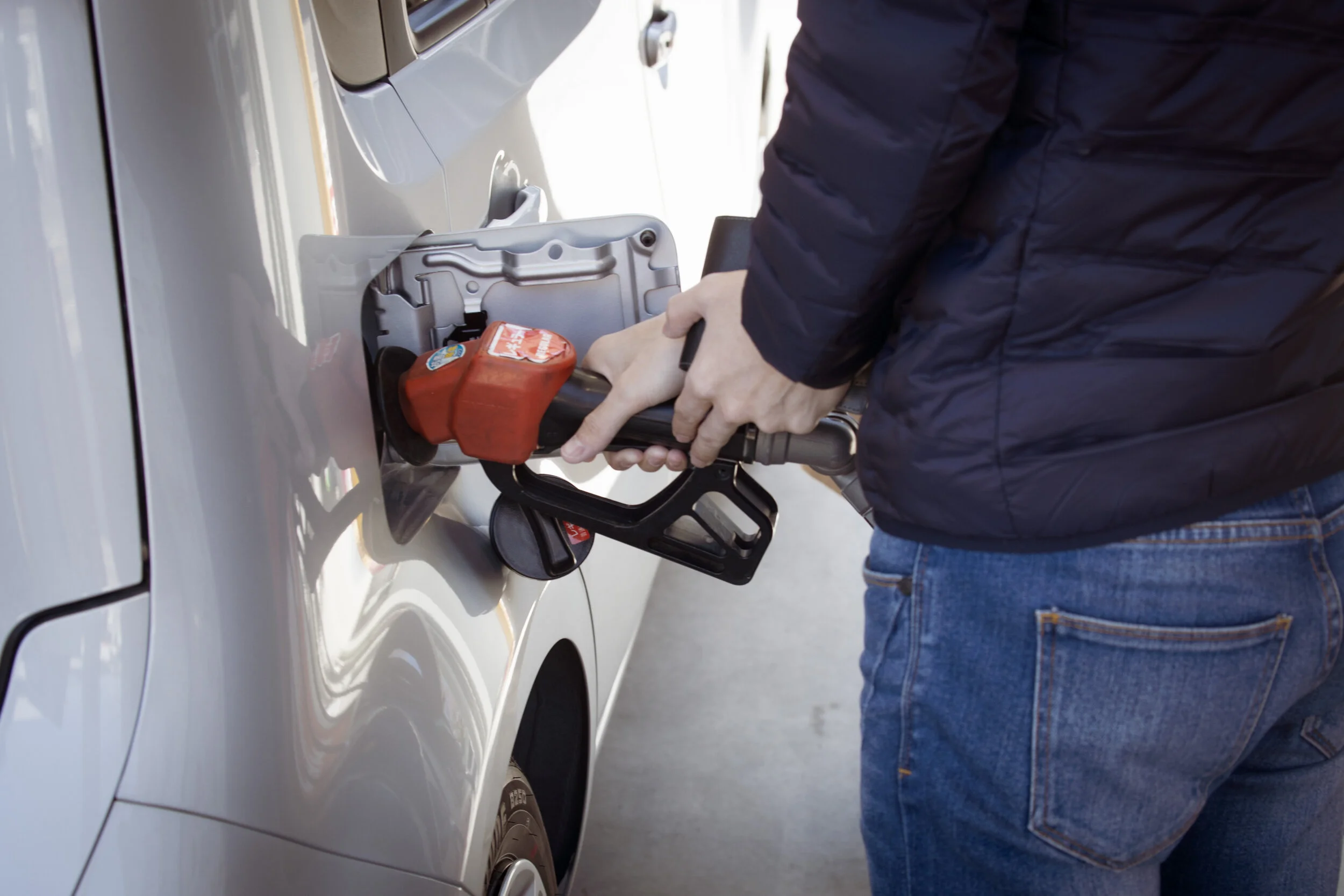
“Putting up prices during a climate emergency is absurd,” Damian Light, who stood unsuccessfully in the Howick Ward in the last local body election, tweeted.

”We’ve declared a climate emergency and transport is our largest contributor to emissions – we must address this.”
— https://www.stuff.co.nz/national/118807935/aucklands-public-transport-fare-hike-absurd

Auckland Council: we've declared a Climate Emergency. Transport is our largest contributor to emissions, we must address this.

Auckland Transport: we're making it more expensive to use public transport. Again.

It's great about the free weekends for 5-15 year olds, making it easier for families to get around our city is a positive step. We need to do more of this and also introduce changes like fare caps.

But putting up prices during a climate emergency is absurd. I appreciate that some of the restrictions come from parliament, with farebox recovery mandated but when will our leaders get serious about standing up for our city, our environment and our future?

Read More
Transport Damian Light Transport Damian Light

We're paying at the pump for what?

I was dismayed (but not surprised) to see that Auckland Transport has yet again under delivered, despite record taxes on residents

I was dismayed (but not surprised) to see that Auckland Transport has yet again under delivered, despite record taxes on residents. The Regional Fuel Tax was forced upon us with the promise of significant investment but after collecting over a billion dollars, they've held onto $268million. I agree with Councillor Daniel Newman that this is dishonest.

Auckland Council underspends transport budget by $268m in first year of regional petrol tax - NZ Herald 13 Jan, 2020

We're paying more than ever, yet we continue to battle with unsafe footpaths, congested roads and overpriced public transport.

The silver lining is that they didn't waste it all on consultants and vanity projects, but there's real issues that need to be addressed with urgency. One of many local examples is the long promised pedestrian bridge on Flatbush School Road, where students from Te Uho o te Nikau Primary School are left to dodge trucks while Auckland Transport sits on millions of dollars of public money.

In the Howick Local Board area, nearly half of the $5.4m available for local transport projects in the last electoral term was unspent. Will our newly elected Local Board be able to get Auckland Transport to deliver for us? I hope so, for the sake of us all.

Read More
Environment, Community Damian Light Environment, Community Damian Light

Why is sunscreen so expensive in NZ?

We all know to slip slop and slap, but sunscreen is expensive especially when compared to Australia.

We all know to slip slop and slap, but sunscreen is expensive especially when compared to Australia.

"The best buy from Aussie Woolworths is a homebrand Woolworths Sunscreen – 1 litre for A$9. For NZ$10 here, we get a 100ml Cancer Society Sunblock Lotion. That means we get one-tenth of the sunscreen for the same price that Australians pay." - The Spinoff

With 80,000 new cases of skin cancer a year, the government needs to do more. Prevention makes social and financial sense. We spend $57m on skin cancer treatment but only $600,000 on prevention. If we increased prevention, we save money and lives.

Sign the petition here.

Read More